Great training breaks your body down. Active Recovery is what lets it rebuild, adapt and integrate the work you’ve put in. Without it, you’re just accumulating fatigue, not progress.
That’s why Active Recovery is an integral part of your plan, not an afterthought. Our expert sports and injury recovery services are briefed by your physical therapist or trainer, using the right tools at the right time help you rebuild and reduce downtime between sessions, ensuring you integrate all the hard work you’ve put in and minimize inflammation and soreness.
FEATURED RECOVERY SERVICE
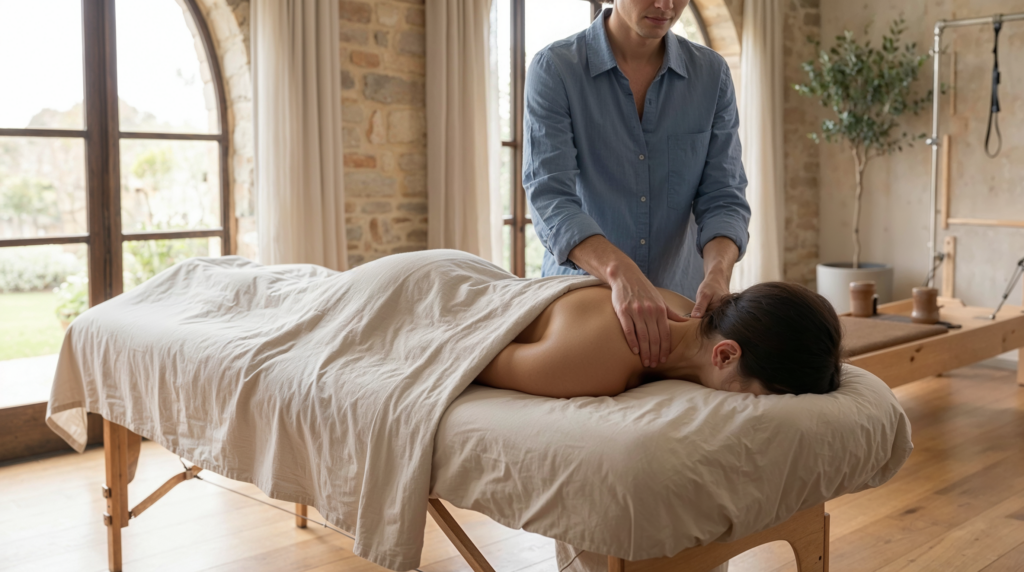
This isn’t a stand-alone spa treatment. Every session is informed by your physical therapist or trainer, so your massage therapist performs exactly what your body needs, whether that’s aiding recovery from an injury, easing tension from training or preparing you for what’s next.
Our massage therapists bring advanced training across a wide range of clinical and performance-based techniques, including sports, medical and orthopedic massage, prenatal care, deep tissue work, myofascial release, neuromuscular techniques and supportive modalities such as assisted stretching and kinesiology taping.
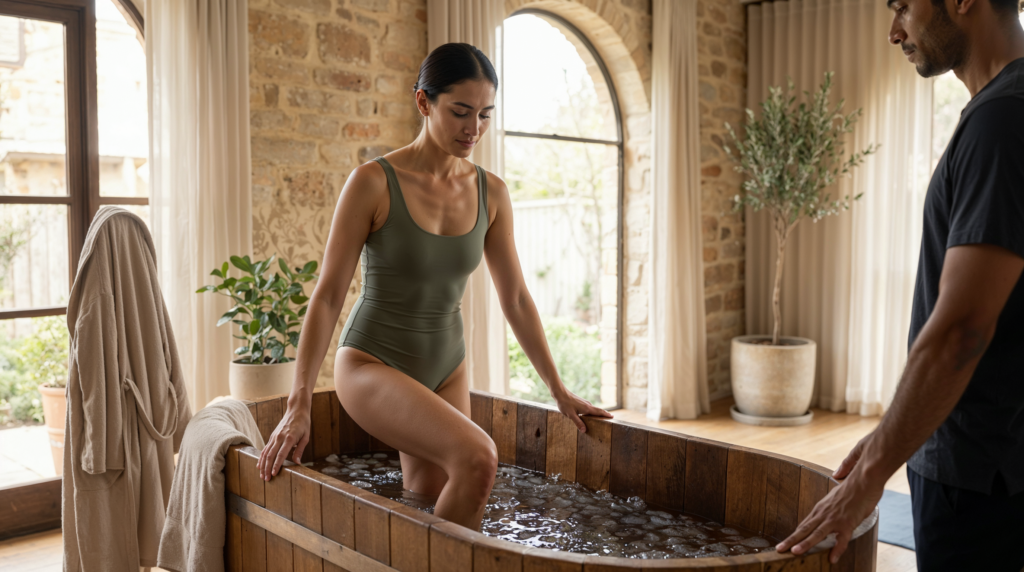
THERMAL RECOVERY
Thermal Recovery uses heat and cold to support your body’s recovery process. Steam rooms and infrared saunas use heat to increase circulation and ease muscle tension. Cryotherapy and cold plunge uses brief cold exposure to help manage soreness between sessions, support sleep quality and promote overall readiness between sessions.
Which modality you use, and how often, is guided by your goals and your broader training and rehabilitation plan.
COMPRESSIVE RECOVERY
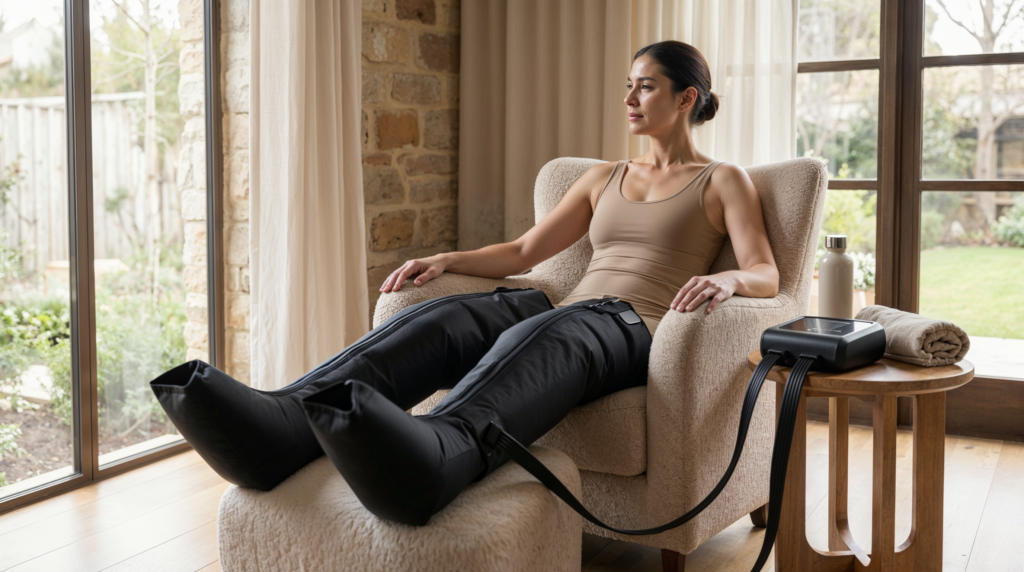
Compressive Recovery uses Hyperice Normatec, a dynamic compression system that applies rhythmic pulses to the arms and legs to support circulation after training.
Sessions typically last up to 45 minutes and can target the legs, hips or arms depending on your needs. Use is guided by your goals and integrated into your broader recovery plan.
SOFT TISSUE RECOVERY
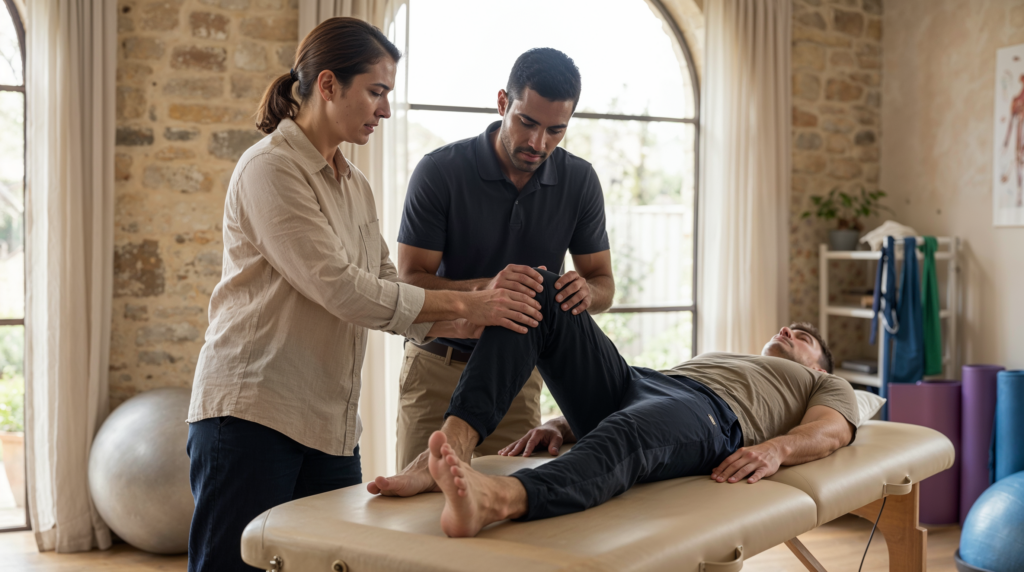
Soft Tissue Recovery addresses tension and restriction in the muscles and connective tissue. ART and massage work through the hands. IASTM and Graston use instruments to target specific areas. Cupping uses suction to increase blood flow to a targeted area.
Your provider selects the right technique based on your goals, training load and how your body is responding.
MOVEMENT RECOVERY
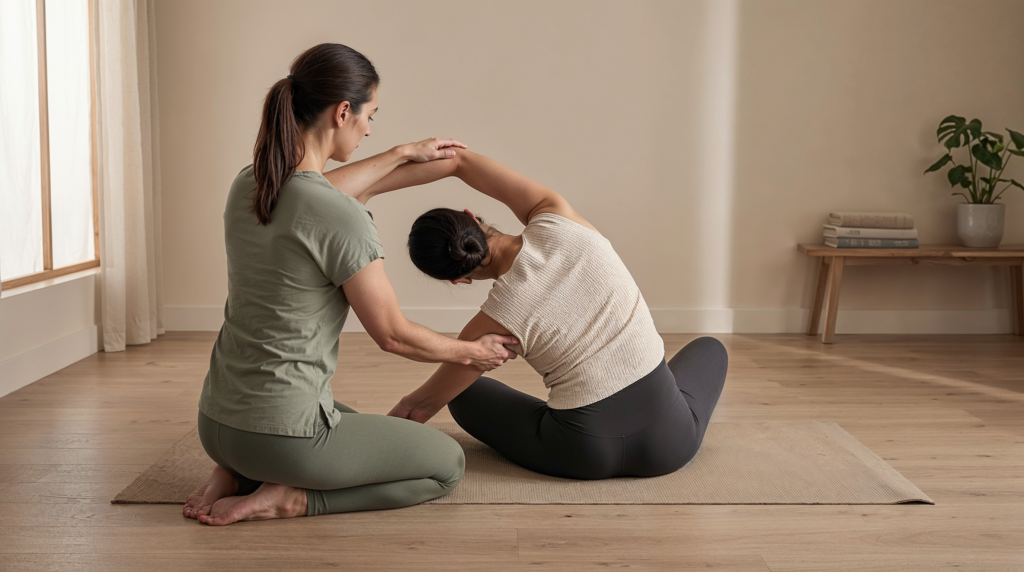
Movement Recovery uses active, guided movement to support range of motion between training sessions. Guided Mobility and Functional Stretching target the areas your training demands most. Recovery Yoga combines movement and breath. Foam Rolling uses self-myofascial release.
Sessions are scheduled around your training and rehabilitation plan based on your current needs.
NERVOUS SYSTEM RECOVERY
Nervous System Recovery addresses the systems that influence how well your body recovers between sessions. Breathwork uses guided breathing techniques. HRV tracking measures how your body is responding to training over time. Sleep Optimization focuses on the habits that affect recovery.
Recovery works best when it’s built into your routine. These packages make it easier to use proven recovery techniques regularly, supporting training demands, daily movement and long-term health.
Instead of constant pressure, Normatec uses rhythmic pulses which mimic the natural muscle pump, helping reduce muscle fatigue and heaviness after training. Sessions typically last up to 45 minutes and can be applied to the legs, hips or arms, depending on your needs.
Athletes and active individuals often use compression therapy to support recovery after intense exercise, manage soreness, reduce delayed onset muscle soreness and improve range of motion before or after training. Use is guided by your goals and integrated into your broader recovery plan.

SESSION ONE: IDENTIFYING WHAT YOUR BODY NEEDS
Your first session starts with a conversation about how your body is responding to training, where it feels tight, fatigued or overworked, and which modality will help most.
Recovery isn’t limited to one approach. Depending on your needs, your session might include:
ONGOING RECOVERY: SUPPORTING CAPABILITY, NOT JUST RELIEF
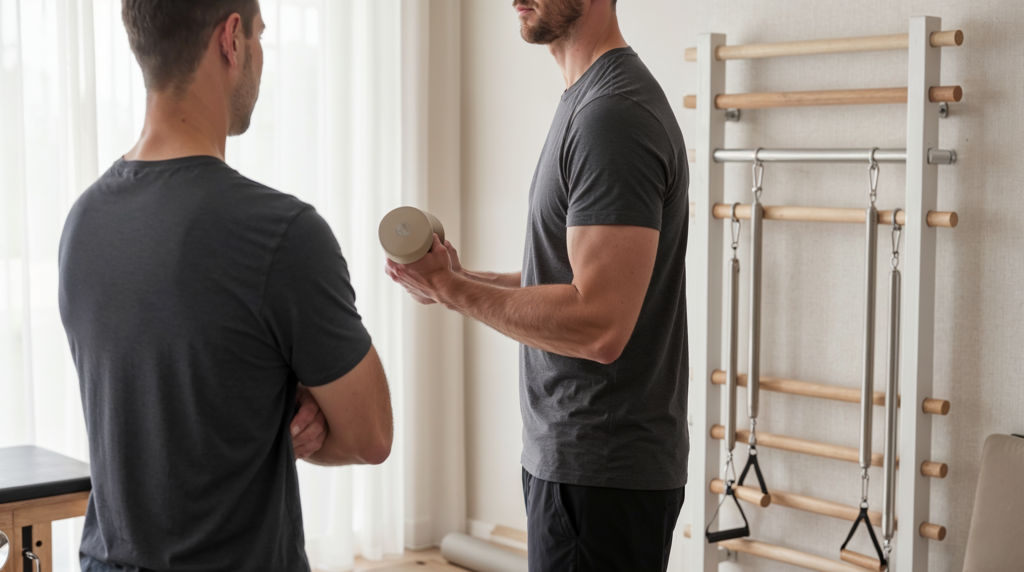
Recovery is part of how your body keeps performing, not a break from your program. Your recovery specialist works with your trainer and physical therapist to time sessions around your training load and adjust modalities as your needs change.
Your recovery stays: